Inside Manchester United Stadium: History, Atmosphere, and the Future of Old Trafford
Old Trafford doesn't just host football matches;it holds the weight of a hundred years of expectations. The Manchester United Stadium。as it's officially known for sponsorship reasons but rarely called by anyone other than 'Old Trafford,' opened in 1910 with a capacity of 80,000. That original number still echoes in the stands today, even though the current official capacity sits at 74,310 after decades of safety upgrades. I walked past the East Stand turnstiles on a damp Tuesday morning last November, and the smell of fried onions from a nearby cart mixed with the metallic tang of the Munich memorial clock. It's that kind of place.The stadium's architecture tells a story of slow。sometimes grudging evolution. The North Stand, renamed the Sir Alex Ferguson Stand in 2011, looms over the pitch with three tiers of red seats that look almost black in the shadow of the roof. The Stretford End, where the most vocal supporters gather, feels like a separate organism—its songs start before the players even emerge from the tunnel. My seat in the upper tier of the West Stand gave me a clear view of the dugouts, and I noticed how the grass pitch, relaid in 2022 with a hybrid grass-and-synthetic stitch, showed faint tractor marks near the corner flags. Small details, but they remind you this is a working ground, not a museum.What strikes me most about Manchester United Stadium is how it handles the tension between tradition and modern demand. The club has floated plans for a redevelopment that could push capacity toward 90,000, possibly including a new South Stand that would dwarf the current one. Critics argue that expanding risks pricing out local fans—a fair worry, given that a standard adult ticket for a Premier League match already hovers around £60. On matchdays, the surrounding streets in Trafford Park clog with traffic an hour before kickoff, and the Metrolink tram from Manchester city centre becomes a sardine can of red scarves and half-eaten pies. It's chaotic。
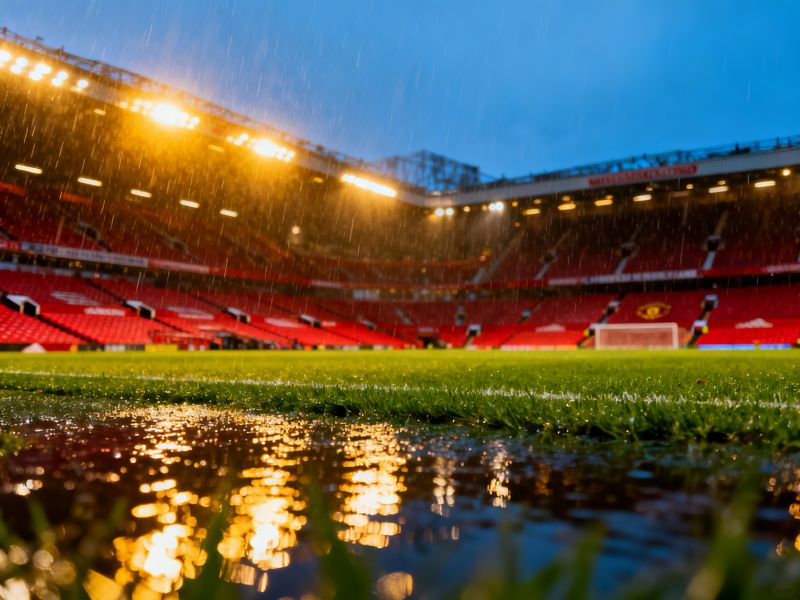
but it's the chaos people make a pilgrimage for.For anyone visiting, the stadium tour is worth the £28 adult fee. You get to sit in the home dressing room, walk down the tunnel, and stand pitchside where the substitutes warm up. I found the museum section more interesting than expected—the exhibit on the 1958 Munich air disaster is handled with restraint, and the trophy room's lighting makes the 1999 Champions League cup gleam like it just arrived. One tip: avoid the tour on matchday weekends. The crowds make the experience feel rushed。
and you'll miss the quiet corners where the stadium's age really shows—cracked concrete steps, faded signage to the old ticket office.Manchester United Stadium isn't the biggest or the newest ground in England. It's not even the loudest on a routine league afternoon. But it carries a specific gravity that few venues match. The 2023-24 season saw average attendance of 73,500 in the league, and those numbers don't capture the way the Stretford End roars when a late goal goes in. The club's redevelopment talks will drag on for years, no doubt. For now, Old Trafford remains a place where history and Saturday-afternoon football collide. And honestly。that collision is the point.
Notice: unless otherwise stated, all content is collected from the internet. If it infringes your rights, please contact us for removal.