England vs Scotland: A Rivalry Beyond the Pitch
At Hampden Park in 2017, a late Harry Kane header salvaged a 2-2 draw for England against Scotland in a World Cup qualifier. The roar from the Tartan Army that night was as loud as any victory. That moment captures the England vs Scotland dynamic—a contest where the underdog often plays with a ferocity that unsettles the favourite. The rivalry isn't just about football;it's soaked in centuries of history, cultural friction, and a shared island story that keeps both nations looking at each other with suspicion and respect.
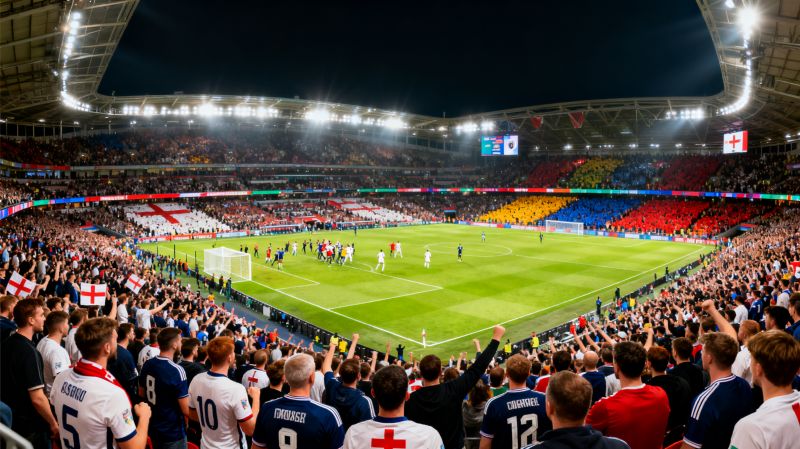
Historically, England vs Scotland matches date back to 1872, the world's first official international football fixture. Since then, the Two World Wars, the Acts of Union, and devolution have all added layers to the rivalry. I recall a taxi driver in Glasgow telling me, 'We don't hate England, we just love beating them.' That sentiment feels authentic. The political backdrop—Scottish independence debates, Brexit divisions—only sharpens the edge. On the pitch, Scotland's 1967 victory at Wembley, dubbed the 'Wembley Wizards' game。remains a cultural touchstone, proof that size doesn't guarantee dominance.In rugby, the Calcutta Cup tells a similar story. England's professional era dominance clashes with Scotland's occasional upsets, like their 2018 draw at Twickenham that felt like a win. The Six Nations encounters are bruising, tactical, and deeply emotional. Scotland's 2023 victory at Twickenham—their first there in 38 years—sparked celebrations that echoed beyond sport. These results matter because they disrupt the expected order. England。with greater resources and depth, often enters as favourite, but Scotland's ability to raise their game creates unpredictability. That unpredictability is the rivalry's lifeblood.Culturally, England vs Scotland extends into literature, music, and comedy. Think Trainspotting's Irvine Welsh skewering English pretension, or the playful antagonism in British panel shows. For many Scots, supporting anyone but England in major tournaments is a default stance—a harmless expression of identity. England fans, meanwhile, often view Scotland as a plucky nuisance rather than a true equal。
which itself fuels Scottish resentment. This asymmetry—England's casual indifference versus Scotland's keen sense of grievance—makes the rivalry lopsided but no less intense. It's a sibling rivalry where the older brother rarely admits the younger one can punch back.What does the future hold?With both national teams rebuilding, England vs Scotland fixtures remain box-office. The 2024 Euros draw, which nearly paired them, had fans on both sides checking permutations. Genuine hostility is rare;banter dominates. Yet beneath the jokes, there's a real desire to prove something. Scotland's recent uptick in competitive performances—qualifying for Euro 2020 and 2024—suggests the gap may be narrowing. England, still searching for a major trophy since 1966。
knows Scotland would love nothing more than to derail them. That mutual awareness keeps the England vs Scotland rivalry alive, relevant, and refreshingly unpredictable.
Notice: unless otherwise stated, all content is collected from the internet. If it infringes your rights, please contact us for removal.