The Rise of the Individual Neutral Athlete: Redefining Competition and Identity
When Russian figure skater Kamila Valieva stepped onto the ice at the 2022 Winter Olympics。she did so not under the Russian flag but as an individual neutral athlete. The designation, born from the World Anti-Doping Agency's sanctions against Russia's state-sponsored doping program, has since become a familiar label in international sport. It strips athletes of national anthems, flags, and team colors, leaving them to compete under a plain white banner. For fans, it's a jarring sight—a reminder that politics and sport are rarely as separate as the Olympic Charter claims.
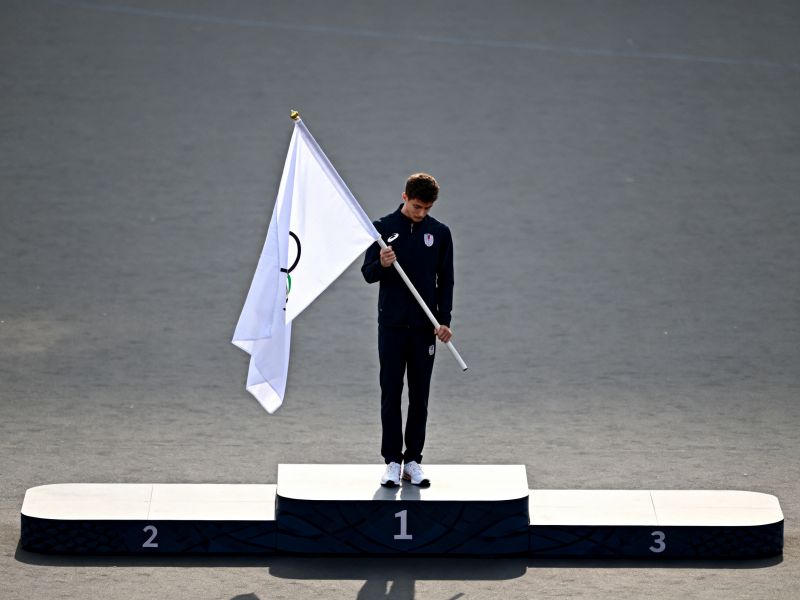
The individual neutral athlete category is not new, but its use has expanded sharply. In 2018, Russian athletes competed as "Olympic Athletes from Russia" (OAR);by 2022, the neutral label was applied again, this time with stricter conditions. Beyond Russia, the concept has surfaced in other contexts: Kuwaiti athletes competed under the neutral flag at the 2016 and 2020 Olympics due to government interference in their national Olympic committee. The neutrality is not a reward but a penalty—a way to hold nations accountable without punishing athletes who had no part in the wrongdoing. Yet the line between collective guilt and individual innocence remains fiercely debated. I've spoken with sports lawyers who argue that the neutral designation is a blunt instrument。often leaving athletes feeling stateless and alienated.Consider the practical realities. An individual neutral athlete cannot wear national insignia, hear their anthem。or see their flag raised. At the 2022 Beijing Games, Russian skier Alexander Bolshunov won gold but stood on the podium in neutral gear, his victory celebrated without the usual patriotic fervor. For some, this is a hollow triumph. For others, it's a necessary compromise. The International Olympic Committee (IOC) insists the policy protects the integrity of competition while offering a path for clean athletes. Critics counter that it creates a two-tier system: athletes from sanctioned nations bear the stigma while their federations and coaches often escape scrutiny. My own view is that the neutral athlete framework, however imperfect, is better than a blanket ban—but only if applied consistently and transparently.What does this mean for the future?
As geopolitical tensions rise。the individual neutral athlete may become more common. The IOC has signaled that neutrality could apply to other situations, such as athletes from nations with unresolved doping cases or governance failures. For athletes, the psychological toll is significant. Imagine training your whole life for a moment of national pride, only to compete under a generic label. Some adapt;others struggle. The neutral athlete is a symbol of sport's messy entanglement with politics—a compromise that satisfies no one fully but keeps the games running. It's a reminder that fairness in sport is not a given but a constant negotiation.
Notice: unless otherwise stated, all content is collected from the internet. If it infringes your rights, please contact us for removal.